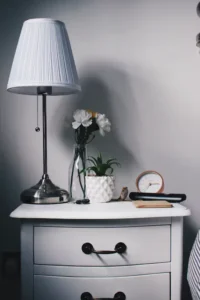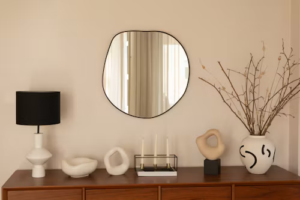
Let’s be honest: in a small apartment, a few stray items can make the whole place feel messy and cramped.
A jacket on a chair, a pile of mail on the counter, and a laundry basket in the corner. Suddenly, there’s nowhere to sit.
The good news? You don’t need a bigger home. You need a simple plan.
In this guide, I’ll show you how to organize a small apartment in 5 easy steps. Then we’ll go through room-by-room storage ideas, simple ways to make a small space look bigger, renter-friendly tricks (no drilling!), and budget options for every wallet.
Whether you live in a studio apartment, a tiny one-bedroom or a shared flat, you’ll find ideas you can start today.
Table of Contents
Quick Summary: How to Organize a Small Apartment in 5 Steps
Short on time? Here are the 5 steps, in the order I recommend:
- Declutter first. No storage product can fix a space that holds too much stuff.
- Zone your space. Give sleeping, working, eating and relaxing their own spots, even in a studio.
- Use vertical storage. Walls, doors and shelves come before floor space.
- Choose multi-functional furniture, like a storage ottoman, so every piece does two jobs.
- Build simple habits you can keep up even in a busy week, so your home stays clutter-free.
Step 1: Declutter Your Small Apartment First (The Easiest Way to Create More Space)
I know, I know. Everyone says “declutter first,” and it sounds boring.
But here’s why it matters: if you buy bins and baskets before you sort your stuff, you just end up with neatly organized clutter.
And you pay money to store things you don’t even need.
So start by clearing out, then buy storage to fit what’s left.
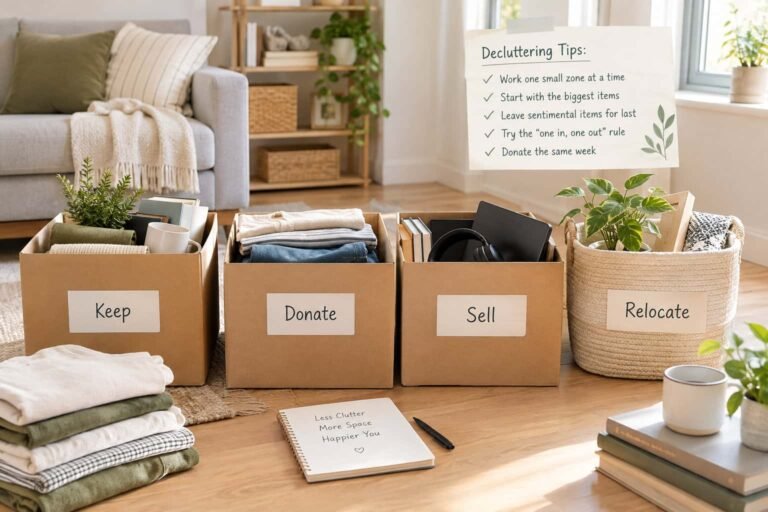
The 4-Pile Decluttering Method: Keep, Donate, Sell, Relocate
Grab four boxes or bags and label them:
- Keep: things you use often or truly love
- Donate: things in good shape that someone else can use
- Sell: bigger items, books, or electronics worth some money
- Relocate: things that belong in another room (or a friend’s home)
There’s no “maybe” pile. If you can’t decide, put the item in a “not sure” box and write the date on it. If you haven’t used it in three months, let it go.
Decluttering Tips for Beginners
- Work one small zone at a time, like one drawer or one shelf. Doing the whole apartment in a day leads to burnout.
- Start with the biggest, easiest items, then move to drawers and closets.
- Leave sentimental items for last. They take longer, and you’ll be warmed up by then.
- Try the “one in, one out” rule. For every new item that comes in, one old item goes out.
- Donate the same week. A bag sitting in your hallway turns into new clutter.
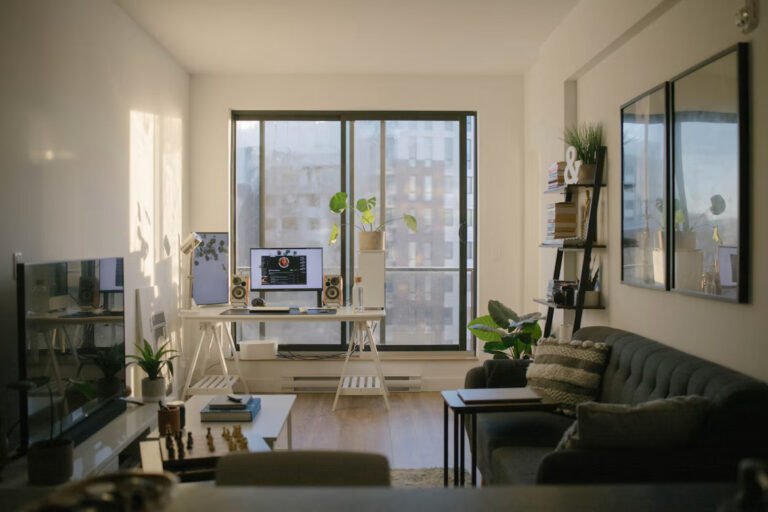
Step 2: Zone Your Space (How to Divide a Studio Apartment Without Walls)
Here’s a secret: a small space feels calmer when each part has a clear job.
Think of it like a mini neighborhood. One corner for sleeping, one for working, one for eating, and one for relaxing.
When every activity has its own spot, clutter has fewer places to spread.
Easy Ways to Create Zones Without Walls
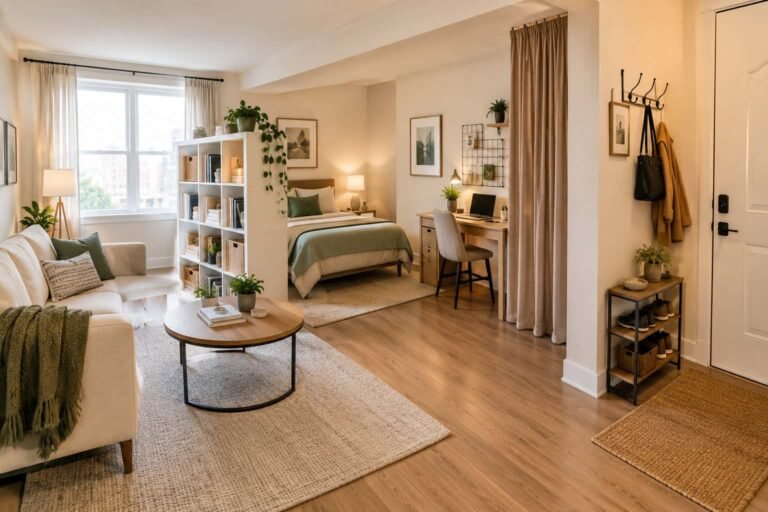
Use soft dividers instead:
- A rug under the sofa to mark the living area
- A bookshelf between the bed and the desk
- A curtain to hide the sleeping area or a messy corner
- A coffee table or artwork to frame a seating or dining spot
Interior designers at Neptune explain in Homes & Gardens that a simple rug and coffee table can define a seating area, even if the dining table is only a few steps away.
A bookshelf also works as a room divider, and it gives you extra storage at the same time.
Set Up an Entry Zone by the Front Door
The spot near your front door decides how messy the rest of the home gets.
Add wall hooks for coats and bags, a small tray for keys and mail, and a slim shoe rack.
Keys, mail and shoes won’t wander into the living area anymore.
Step 3: Maximize Space With Vertical Storage (Walls, Doors and Floating Shelves)
When the floor runs out, look up.
Walls and the backs of doors are the most underused storage spots in almost every small apartment. And using them keeps your floor open, so the room feels bigger and more clutter-free.
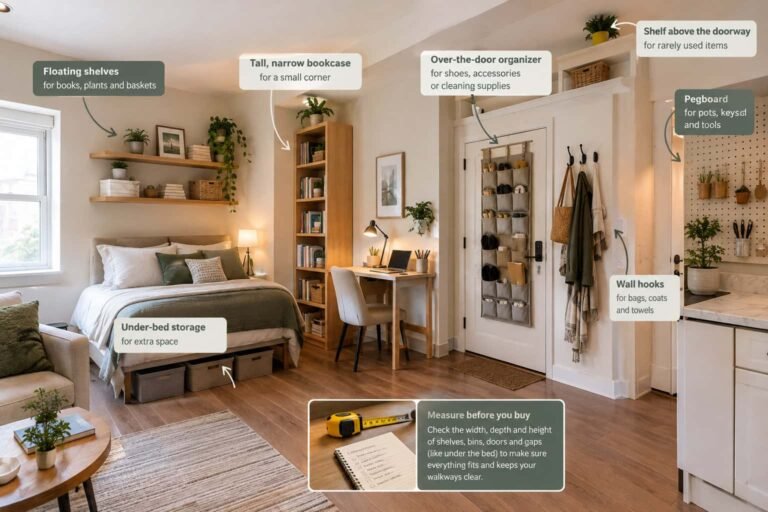
Vertical Storage Ideas for Small Apartments
- Floating shelves above the sofa, bed or desk for books, plants and baskets
- Over-the-door organizers for shoes, scarves, cleaning supplies or snacks
- Wall hooks behind doors for towels, bags and robes
- A pegboard in the kitchen or entryway for pots, keys and tools
- A shelf above the doorway for things you rarely need, like out-of-season decor
- A tall, narrow bookcase or ladder shelf in an empty corner
How to Style Floating Shelves Without Clutter
Put heavier or darker items on the bottom shelves and lighter, smaller items on top. Group things in odd numbers, like three books or three small jars, and leave some empty space around them.
That way, your shelves look intentional, not crowded.
Measure Before You Buy Storage (Under-Bed, Shelf and Door Sizes)
This is the step many guides skip, and it saves you money.
Before you buy any bin, shelf or organizer, grab a tape measure and write these numbers in your phone notes:
- Width, depth and height of the shelf, drawer or cabinet you want to fill
- The gap under your bed, from floor to frame
- The width of your door (for over-door organizers)
- Free wall space above furniture
- Walking paths, so you don’t block the way to the door or bathroom
Quick example: Your bed frame has a 20 cm (about 8 inch) gap underneath. A storage bin that’s 25 cm tall won’t fit, no matter how good the deal looks. A 15 cm bin will slide in with room to spare.
Step 4: Choose Multi-Functional Furniture (Space-Saving Pieces That Double as Storage)
In a small apartment, every piece of furniture has to earn its spot.
A piece that only does one job takes up space you can’t spare. A piece that does two jobs, especially if one of them is storage, is worth its weight in gold.
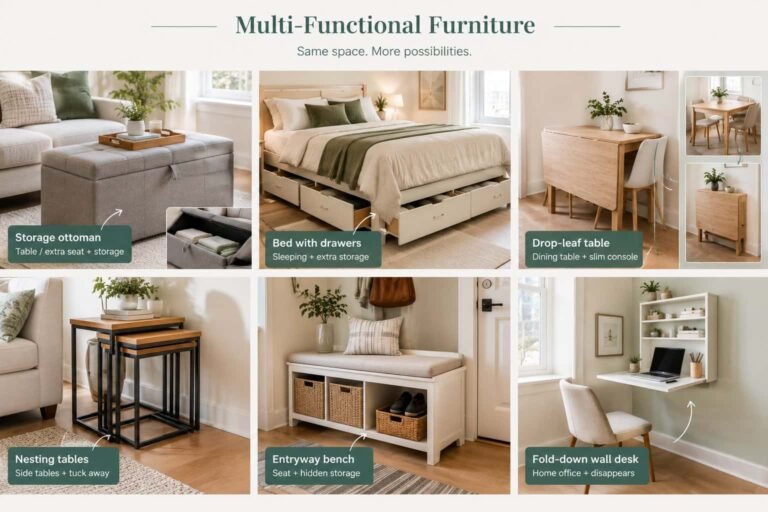
| Furniture | Job 1 | Hidden job 2 |
|---|---|---|
| Storage ottoman | Coffee table or extra seat | Stores blankets, pillows or games |
| Bed with drawers | Sleeping | Stores spare bedding and out-of-season clothes |
| Drop-leaf table | Dining table | Folds down to a slim console |
| Nesting tables | Side tables | Tuck away when you're not hosting |
| Entryway bench | A seat for putting on shoes | Hides shoes, hats and scarves |
| Fold-down wall desk | Home office | Disappears after work hours |
Swipe left or right to view all columns →
How to Choose Small-Space Furniture: Scale, Legs and Hidden Storage
Professional organizer Brenda Scott of Tidy My Space suggests picking pieces that serve more than one purpose, ideally with storage included. She gives the ottoman as an example.
Another handy tip from the same guide: choose furniture with visible legs. Seeing the floor underneath makes a room feel more open and airy.
- Think scale. Bulky sofas and big beds can swallow a small room. Pick slim pieces.
- Use what you own. A small bookcase can be a nightstand. A trunk can be a hallway seat.
- Be honest about trade-offs. Open under-bed storage can collect dust, so use closed drawers or lidded bins.
Step 5: Build Simple Habits for a Clutter-Free Apartment
Here’s the truth: organizing once isn’t enough.
In a small apartment, a few days of mess can undo all your hard work. The goal isn’t a perfect home. It’s a simple routine that’s easy to keep up.
The best system is the one that survives a busy week. If it takes too many steps, you’ll drop it by Wednesday.
The 5-Minute Daily Reset: A Simple Routine for a Tidy Home
Professional organizer Kate Pawlowski of Done & Done Home tells clients to declutter at least once a day. She describes it as a five-minute task: put things back where they belong, load the dishwasher, and wipe down flat surfaces.
Try it every evening:
- Return stray items to their homes
- Clear flat surfaces (table, counter, nightstand)
- Do the dishes
- Set out tomorrow’s clothes or bag
Habits to Keep a Small Apartment Clutter-Free
- Do a 15-minute monthly sweep. Set a calendar reminder to spot things to donate, discard or put back.
- Leave about 20% of each shelf empty. This tip from apartmentjeanie stops a space from filling right back up.
- Label bins and shelves, so everyone in the home knows where things go.
- Keep everyday items at eye level, and rarely used items up high or out of sight.
- Take a photo of a messy corner. The same guide notes the camera helps you see clutter with fresh eyes.
Room-by-Room Small Apartment Storage Ideas: Entryway, Living Room, Bedroom, Kitchen and Bathroom
Now that you have the five steps, let’s put them to work with practical storage solutions for each room. Jump to the room that bugs you the most and start there.
How to Organize a Small Entryway (Keys, Shoes and Mail)
The problem: keys, mail and shoes spread through the whole home.
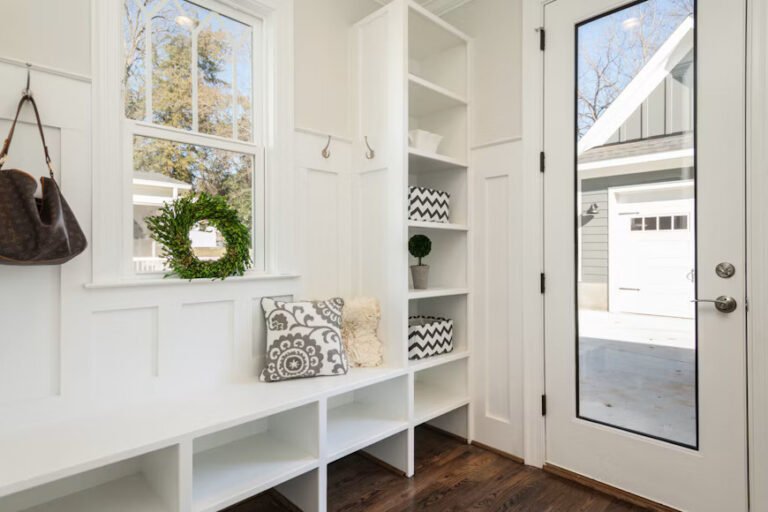
- Add wall hooks for coats and bags
- Use a slim shoe rack or a bench with hidden storage
- Keep a catch-all tray by the door for keys, wallet and mail
- Hang a small wall organizer with a bin for letters
How to Organize a Small Living Room
The problem: visible clutter and almost no storage.
- Use a storage ottoman for blankets and remotes
- Add floating shelves instead of a bulky bookcase
- Tuck baskets under side tables for magazines and throws
- Choose a media console with drawers to hide cables and games
How to Organize a Small Bedroom and Closet (Even With No Closet)
The problem: too many clothes, too little space.
- Switch to slim hangers. They take up much less room than bulky plastic or wooden ones, so your closet fits more.
- Add a second hanging rod to use the empty space under your shirts
- Use drawer dividers for socks and underwear
- Store out-of-season clothes in bins on a high shelf or under the bed
- No closet at all? Use a freestanding wardrobe or clothing rack, and add a curtain if you want it hidden
- Try file folding. Fold clothes into small rectangles and stand them upright so you can see everything at a glance.
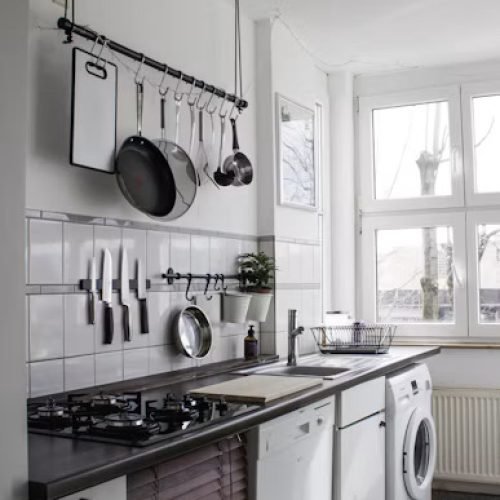
How to Organize a Small Kitchen: Storage Ideas for Limited Counter Space
The problem: little counter space and few cabinets.
- Mount a magnetic knife strip to free up the counter
- Add a tension rod under the sink to hang spray bottles
- Use stackable cabinet shelves to double your plate and mug space
- Hang hooks or a small rack on the inside of cabinet doors for towels and mitts
- Move pantry items into matching clear jars so they stack neatly and you can see what you have (reused glass jars work great)
- Store cutting boards and baking trays upright in a file rack
- Group your coffee things on a tray so you can move it when you need counter space
How to Organize a Small Bathroom: Storage Ideas for Tiny Spaces
The problem: almost no surface or cabinet space.
- Hang a shower caddy or a second tension rod in the shower
- Use S-hooks on the curtain rod for extra towels
- Add an over-the-toilet shelf for toiletries and spare rolls
- Put an organizer under the sink to split the space into zones
- Stick magnetic strips inside a cabinet door for tweezers, clips and nail clippers
- Roll towels and display them in a basket instead of cramming them into a cabinet
Pro tip: think about how often you use each item. Put daily products in easy reach and rarely used ones higher up or at the back. A small lazy Susan (turntable) makes deep cabinets much easier to use.
How to Make a Small Apartment Look Bigger (Light, Mirrors and Layout)
Organizing clears the clutter. A few simple design tricks can then make your small space feel larger and more open. None of them need a renovation.
Let in Natural Light and Add Mirrors
- Hang sheer or light curtains so more natural light comes through
- Place a large mirror across from a window, or lean a floor mirror against a wall. Designers at Havenly say mirrors reflect light around the room and make small spaces feel bigger.
- Use layered lighting, such as a lamp or two with warm bulbs, instead of one harsh ceiling light
Choose Your Colors With Care
- Light, soft colors usually make a room feel more open
- Dark colors can still work when you use them on purpose. Havenly notes that a dark shade can add a feeling of depth, so try it on one wall instead of everywhere.
- Repeat a few colors through the room so it feels connected, not chopped into busy little sections
Keep Your Floor Visible
- Pick furniture with visible legs, and use wall-mounted shelves where you can
- Keep walkways clear. Public Storage points out that the more floor you can see, the more open a small room feels.
Choose a Few Big Pieces, Not Many Small Ones
- A few larger items look calmer than lots of tiny ones. Designers interviewed by NPR warn that many small objects create visual clutter and make a room look more cramped.
- Keep small things in closed storage, like baskets with lids and drawers, so they don’t sit out on every surface
Draw the Eye Upward
- Hang curtain rods close to the ceiling and let the curtains fall to the floor
- Add a tall, narrow bookcase or vertical artwork to lift the eye
Renter-Friendly Storage Ideas: How to Organize an Apartment Without Drilling
Renting? Many leases don’t allow drilling, and you may not want holes in the walls anyway.
The good news: most of the ideas in this guide work without a single screw. Here are the no-damage swaps:
| Instead of this... | Try this renter-friendly option |
|---|---|
| Drilled wall shelves | Freestanding shelves, a ladder shelf or a tall narrow bookcase |
| Screwed-in hooks | Adhesive hooks (check the weight limit on the pack) |
| Built-in closet rod | Tension rod or a freestanding clothing rack |
| Built-in closet | Freestanding wardrobe with a curtain in front |
| Wall-mounted desk | Rolling cart or a fold-flat desk |
| Cabinet-mounted racks | Over-door organizers and stackable cabinet shelves |
Swipe left or right to view all columns →
Renter Tips: Adhesive Hooks, Weight Limits and Lease Rules
- Read your lease first, and ask your landlord if you’re unsure about what’s allowed.
- Test adhesive hooks on a small, hidden spot before using them on a visible wall.
- Follow the weight limits on the packaging, especially for coats and bags.
- Make it movable. Freestanding pieces come with you when you move out, which is a nice bonus.
- Use vacuum storage bags for bulky items like winter bedding. Organizers interviewed by 6sqft recommend them for slipping seasonal items under the bed.
In that same 6sqft guide, the organizers note that if your apartment has no closets, you can create one. A freestanding closet is the better choice for renters.
How to Organize a Small Apartment for Your Situation: Studio, Roommates, Kids, Pets and Home Office
No two small homes are alike. A studio for one person needs a different plan than a flat shared with kids, pets or roommates.
Find your situation below and pick the tips that fit.
Studio Apartment Organization: Sleeping, Working and Eating in One Room
Your biggest problem is that sleeping, working and eating all share one space.
- Mark each activity with a rug, shelf or curtain (see Step 2)
- Hide the sleeping area with a bookshelf or curtain if you can
- Keep work items in a closed box you can put away at night
Shared Apartment Organization With Roommates
Items tend to spread into shared areas fast.
- Give each person one labeled bin or shelf in common spaces
- Agree on a simple rule, such as “nothing stays in the living room overnight”
- Do a weekly 10-minute reset together
How to Organize a Small Apartment With Kids
Toys and school things can take over the floor in minutes.
- Use low, open bins your kids can reach by themselves
- Rotate toys. Keep some in an “away” box and swap them every few weeks.
- Add over-door pockets for small toys, books or art supplies
How to Organize a Small Apartment With Pets
Food, leashes and supplies add up quickly.
- Make a pet station near the door with hooks for leashes
- Store food in sealed containers
- Keep one basket for toys so they don’t spread everywhere
Home Office in a Small Apartment: Work-From-Home Organization
A desk can swallow your living area.
- Use a fold-down or wall-mounted desk if your lease allows it
- Try a rolling cart that tucks away after work
- Use cable clips or a small box to hide chargers and cords
Organizing a Hot, Dusty Home or One With Concrete Walls
This is common in many homes, and many English-language guides skip it.
- Choose closed storage (lidded bins, cabinets, curtains) to keep dust off your things
- Store food and medicine away from heat, in the coolest spot you have
- Pick freestanding or no-drill options if your walls are hard to drill into
- Check local shops and markets for baskets, racks and jars before buying online
6 Small Apartment Organizing Mistakes to Avoid
Even with the best plan, a few common slip-ups can undo your progress. Here are the ones to watch for:
- Buying bins before decluttering. It feels productive, but you’re just organizing things you may not need. Sort first, then buy storage to fit what’s left.
- Ignoring vertical space. Bare walls are the easiest storage you have. Look up before you decide there’s no room.
- Choosing oversized furniture. A big sofa or bulky bed can eat a small room alive. Scale your pieces to the space.
- Keeping things “just in case.” If a full year has passed and you haven’t touched it, let it go.
- Building a system that’s too complicated. If it takes too many steps, it will fall apart within a week. Keep it simple.
- Forgetting about lighting. A dim room feels smaller and messier. Add lamps, light curtains and a mirror to open it up.
Small Apartment Organization FAQs
What is the best way to organize a small apartment?
The best way is to declutter first, then set up zones, use vertical storage, choose multi-purpose furniture, and build simple daily habits. Working in that order stops you from buying storage you don’t need.
Where do I start when organizing a small apartment?
Start small. Pick one drawer or one surface today and sort it with the four piles (Keep, Donate, Sell, Relocate). A quick win builds momentum for the bigger steps.
How often should I declutter a small apartment?
Do a 5-minute reset every day and a 15-minute sweep once a month. Little and often is easier than one huge cleanout.
How do you maximize storage in a small apartment long term?
Keep your systems simple, leave about 20% of each shelf empty, label your bins, and follow the one in, one out rule so clutter doesn’t creep back.
How do you organize a small apartment with no closet or no storage space?
Use a freestanding wardrobe or clothing rack, add a curtain to hide it, and use under-bed bins and over-door organizers. Walls and furniture with hidden storage do the rest.
Conclusion: How to Keep a Small Apartment Organized for Good
Organizing a small apartment isn’t about becoming a strict minimalist or owning less for the sake of it. It’s about using what you have with intention, so your space-saving storage works for your real life.
Declutter first. Give every area a job. Look up for storage. Choose furniture that works hard. And build small habits you can actually keep.
You don’t have to do it all today. Just pick one drawer, one shelf or one corner, and start.
Before long, your small space will feel calmer, brighter and a lot bigger than its square footage suggests.